
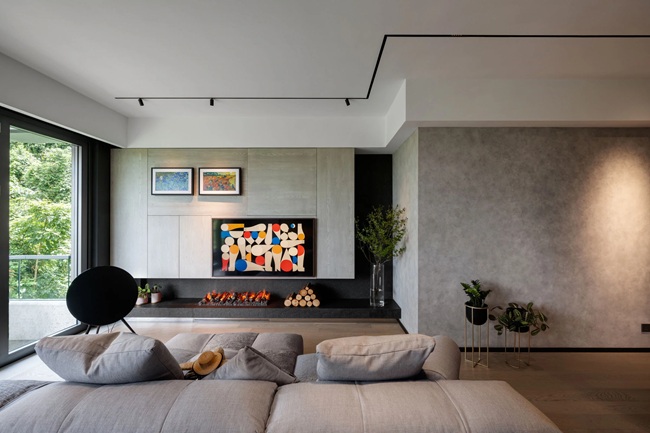
Modern Japanese Apartment Design
Living in a modern apartment has become every bit as desirable as owning a house with a yard, and few places have shaped that shift more than Japan. With limited land and dense cities, Japanese designers turned constraint into an art form, creating compact homes that feel calm, uncluttered, and quietly luxurious. The result is modern Japanese apartment design: a style built on minimalism, natural materials, and ruthless functionality that has gone on to inspire stylish, space-savvy interiors all over the world.
If you’re working with a small footprint and want it to feel intentional rather than cramped, this is the blueprint to study. Below, we’ll break down the principles behind the look and show you how to bring them into your own space.
What Defines Modern Japanese Apartment Design
At its heart, Japanese apartment design is about doing more with less. Every line, surface, and object earns its place. Rather than filling a room, the goal is to create a sense of openness and ease — a space that supports daily life without competing for your attention. A few core ideas tie the whole style together.
1. Minimalism and the beauty of empty space
Western design often treats empty space as something to fill. Japanese design treats it as a feature. The concept of ma — the meaningful pause or negative space between objects — gives a room room to breathe. Clean lines, uncluttered surfaces, and a “less but better” mindset make even a tiny apartment feel serene and considered. The trick isn’t owning less for its own sake; it’s keeping only what’s useful or genuinely loved, and giving those things space to be seen.
2. Natural materials and a connection to nature
Modern Japanese interiors lean heavily on natural materials: warm woods like oak, ash, and hinoki cypress, plus paper, stone, bamboo, linen, and cotton. These textures keep a minimalist space from feeling cold or clinical, adding warmth and a tactile, organic quality. The underlying philosophy is a deep respect for nature — bringing the outside in through materials, plants, and natural light so the home feels grounded and restful.
3. Maximum functionality in minimal space
Because Japanese apartments are typically small, every element is chosen for how well it works. Furniture is low, light, and often multifunctional — think a platform bed with drawers beneath it, a dining table that doubles as a workspace, or modular pieces that adapt as needs change. Storage is built in and hidden, so belongings stay out of sight and the eye has somewhere to rest. The apartment is designed around how a person actually lives, not around showing off possessions.
4. A neutral palette with intentional accents
The classic Japanese color scheme is soft and grounded: whites, warm beiges, pale greys, and the natural tones of wood and stone. This restraint makes a small room feel larger and more cohesive. Color and contrast are used sparingly and on purpose — a charcoal accent wall, a single piece of ceramic, the deep green of a houseplant, or a touch of black to add structure. Some contemporary apartments blend this Japanese restraint with brighter, more luxurious touches from other design traditions, proving the style is flexible rather than rigid.
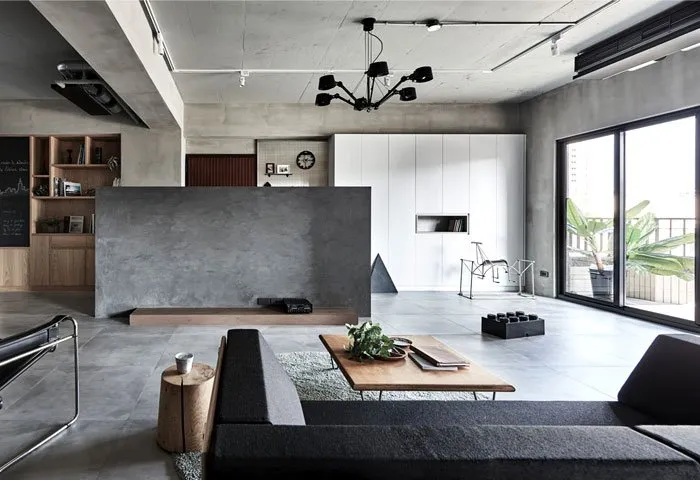
Signature Elements to Look For (and Borrow)
Several recurring features give modern Japanese apartments their unmistakable feel. You don’t need a traditional home to use them — most translate beautifully into a contemporary flat.
- The genkan (entryway): A defined threshold for removing shoes that keeps the home clean and creates a calm transition from outside to in.
- Sliding doors and screens: Shoji (translucent paper screens) and fusuma (sliding panels) divide space without the bulk of swinging doors, letting light pass through and rooms flex in size.
- Tatami and low-profile living: Low furniture, floor cushions, and tatami-inspired textures draw the eye downward and make ceilings feel higher.
- Hidden, built-in storage: Recessed shelving, under-bed drawers, and flush cabinetry keep clutter invisible.
- Layered natural light: Large openings, sheer fabrics, and soft, warm artificial lighting create a gentle, diffused glow rather than harsh overhead light.
- Greenery: A few well-placed plants — or even a small indoor garden or bonsai — reinforce the connection to nature.
How to Bring Japanese Apartment Design Into Your Home
You don’t need a full renovation to capture the spirit of the style. Start with these practical moves:
Declutter first, decorate second. The single most authentic step is removing what you don’t need. Clear surfaces and breathing room are the foundation of the whole look.
Choose low, multifunctional furniture. Pick pieces that sit closer to the floor and pull double duty. In a small apartment, every item that does two jobs buys you space.
Stick to a calm, natural palette. Build on whites, warm neutrals, and natural wood, then add just one or two restrained accents. Resist the urge to introduce too many colors.
Bring in real materials and texture. A linen throw, a wooden stool, a stone or ceramic vessel, a paper lampshade — texture is what keeps minimalism warm instead of stark.
Maximize natural light, soften artificial light. Keep window treatments sheer, and choose warm-toned, layered lighting rather than a single bright ceiling fixture.
Add a touch of green. One or two healthy plants do more for the mood of a Japanese-inspired room than almost anything else.
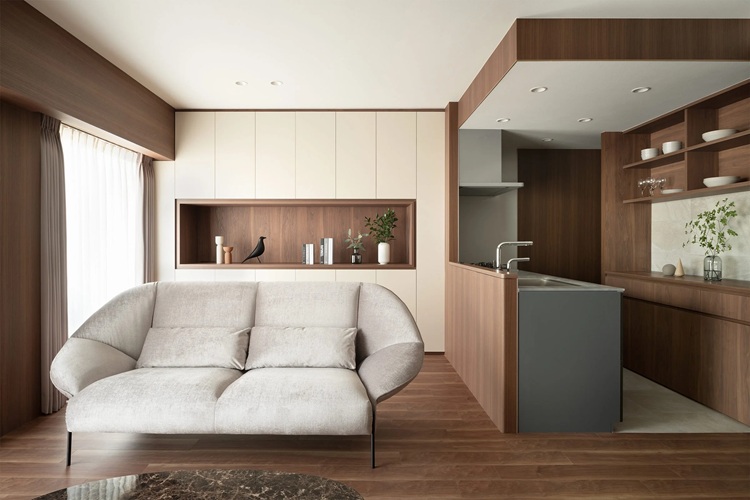
Common Mistakes to Avoid
Minimalism is easy to get slightly wrong. A few pitfalls to watch for:
- Mistaking empty for cold. Bare and unwelcoming isn’t the goal, warmth comes from natural materials, soft light, and texture, so don’t strip those away.
- Buying “minimalist” clutter. Adding lots of trendy decor objects defeats the purpose. Quality and restraint beat quantity every time.
- Ignoring storage. The clean look only holds if there’s somewhere for everything to go. Plan hidden storage before you style the surfaces.
- Over-matching. A room where everything is identical can feel flat. Vary your wood tones and textures slightly so the space has quiet depth.
The Takeaway
Modern Japanese apartment design endures because it solves a problem nearly everyone faces: how to live well in a smaller space. By prioritizing minimalism, natural materials, and genuine functionality, it turns compact living into something calm, beautiful, and deeply livable. Whether you adopt the whole philosophy or simply borrow a few ideas . A decluttered surface, a low wooden bench, a paper lantern, a single thriving plant. The payoff is a home that feels more spacious, more peaceful, and entirely your own.
If you’re looking for creative inspiration for your next small-space makeover, you could hardly find a better place to start.

